
Packing cubes & compression sets
Coordinated sizes planned around luggage footprint, garment type, opening direction, stacking and any compression construction.
View development guide →
Build packing-cube, laundry, shoe, garment, document and pouch systems around the packing journey, clean-versus-used separation, visibility and dimensions that work together.
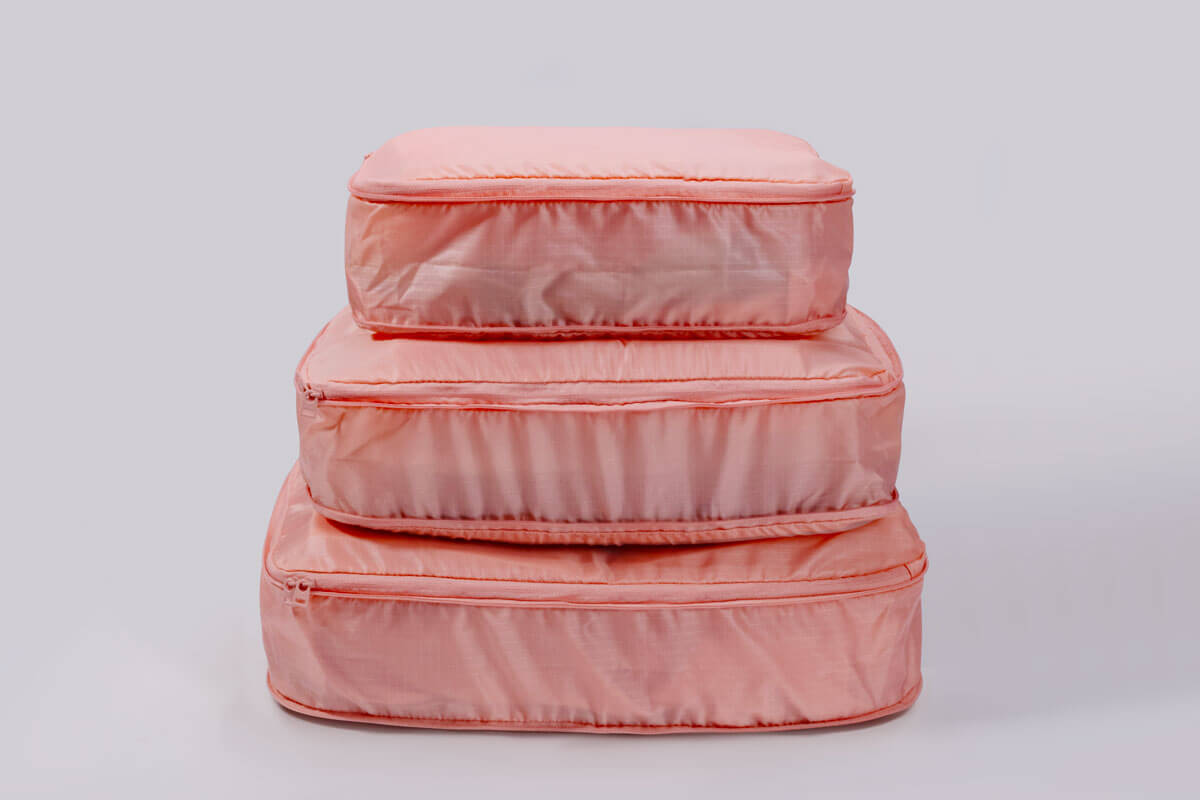
Choose the organizing job first: packing, separation, protection or access. Then define size relationships across the collection.
Coordinated sizes planned around luggage footprint, garment type, opening direction, stacking and any compression construction.
View development guide →
Used-item separation requiring containment, closure, cleaning, foldability and storage when the bag is empty.
View development guide →
Footwear-specific formats defined by shoe size, pair orientation, ventilation or containment and luggage placement.
View development guide →
Hanging or foldable clothing protection planned around garment length, hanger position, folding sequence and carry method.
View development guide →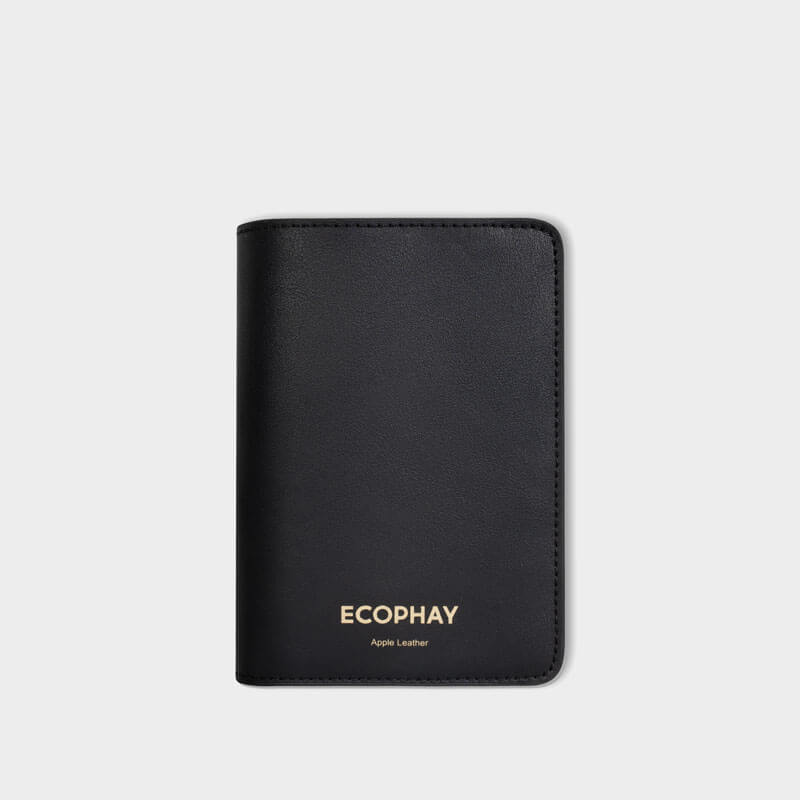
Secure access for passports, tickets, cards and travel documents with pocket order and closure decisions.
View development guide →
Small flexible storage for toiletries, cables, medicines or essentials, with the use case deciding lining, visibility and closure.
View development guide →Set dimensions should relate to the luggage and contents. Arbitrary small, medium and large labels do not establish a useful system.
| Decision | Inputs required | System consequence | Review with samples |
|---|---|---|---|
| Luggage context | Internal luggage dimensions, shell type and intended arrangement | Controls footprint, stacking and whether sizes work as a set. | Place loaded organizers inside the target luggage |
| Contents | Garment types, shoe size, laundry volume, documents or toiletries | Determines depth, opening, visibility and containment. | Pack representative contents to intended fill |
| Size relationships | Individual dimensions and number of pieces per set | Affects nesting, retail packing, labelling and set price structure. | Check both packed and empty set behavior |
| Identification | Mesh, window, label, colour coding or closed panel | Balances visibility, privacy, ventilation and brand presentation. | Confirm identification during the packing sequence |
| Compression / separation | Compression zipper, clean-used divide or contained zone | Adds components and may reduce or redistribute usable volume. | Test zipper load, fill and separation behavior |
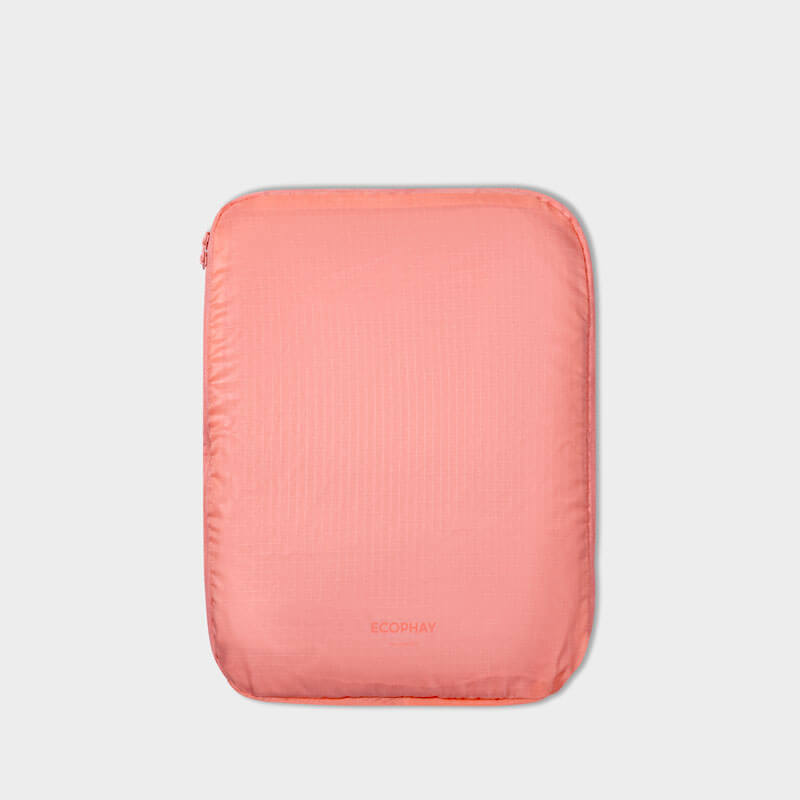
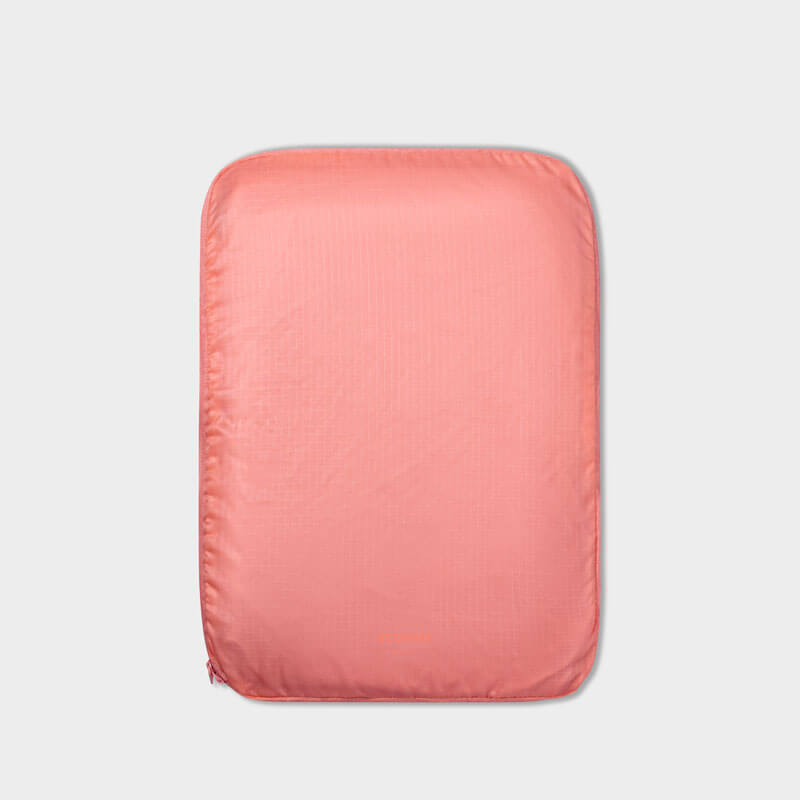
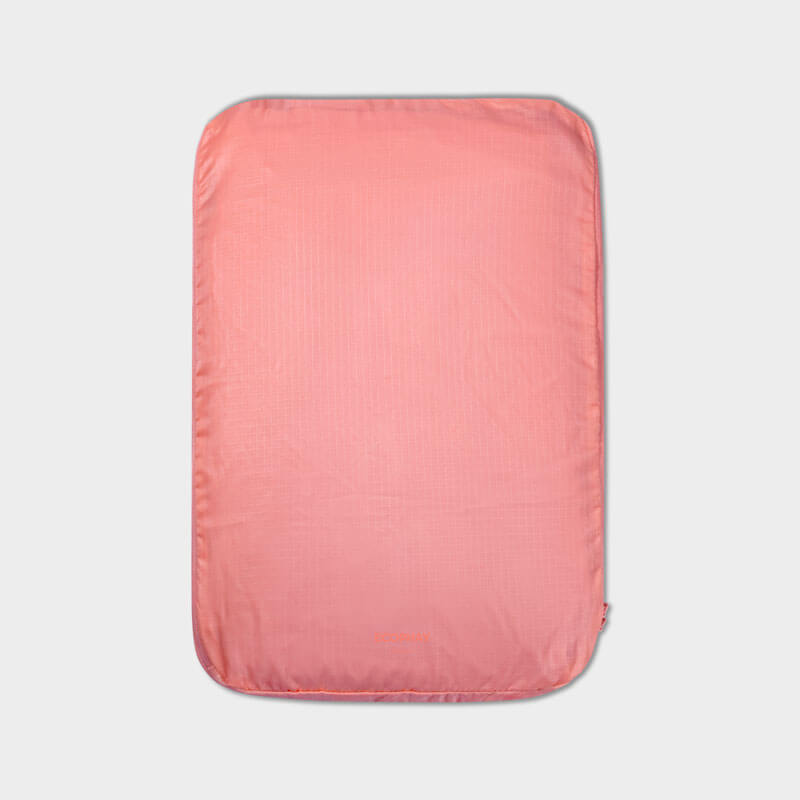
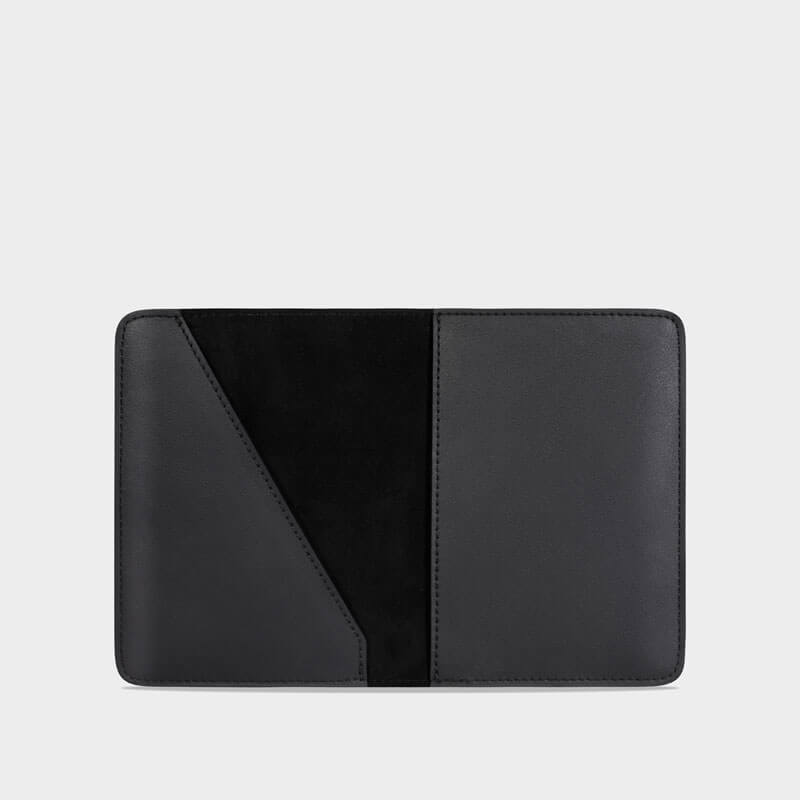
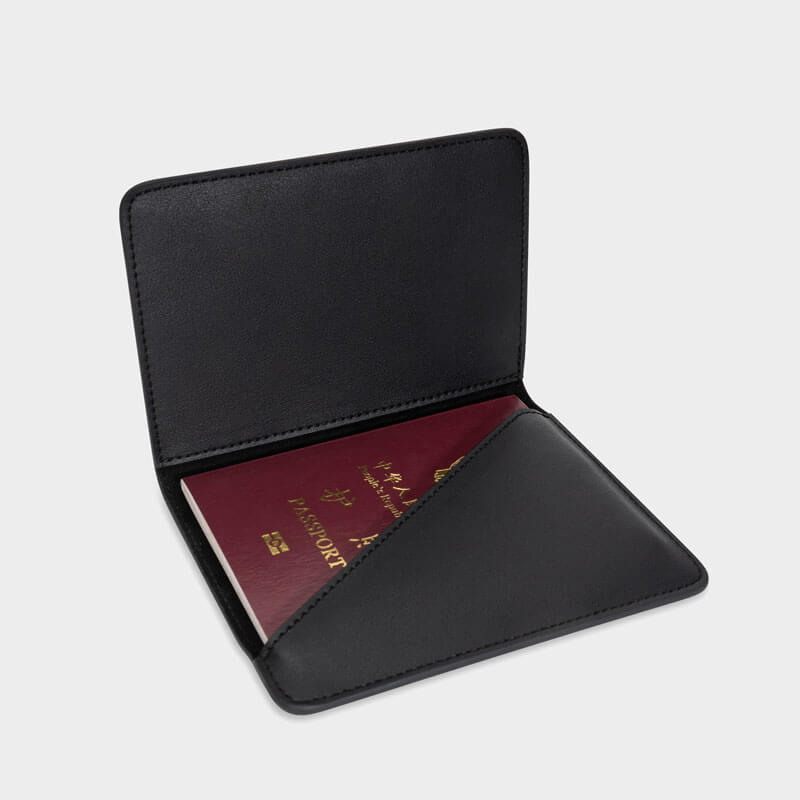
Existing packing-cube and passport-holder photographs provide real format evidence. Project review should cover the organizer construction, branding and packing views relevant to the buyer brief.


A system that looks orderly in a studio can fail during packing, transit or return. Review every point where the user handles it.
Map the items, folding method, luggage footprint and the order in which each organizer is packed.
Check stacking, compression, identification, quick access and whether closures remain stable under luggage pressure.
Review unpacking, hanging, opening, privacy, ventilation and how each organizer sits in the room.
Test clean-used separation, empty folding, cleaning, nesting and retail-set packing.
Provide both the individual organizer specification and the relationship between every item in the set.
List each SKU, purpose, dimensions and the number of pieces supplied individually or as a set.
Provide target luggage footprint, garment types, shoe size, documents or other representative contents.
Define opening, mesh or window, compression, containment, handles, hanging and foldability.
Share outer, lining or mesh direction, colour, print, hand feel and required document scope.
Specify labels, size marks, colour coding, logo, retail set arrangement and outer packaging.
Give quantity per SKU and set, colour split, destination and required delivery date.
These answers separate a useful system specification from unsupported assumptions.
Not automatically. Dimensions should relate to the target luggage, garments, folding method and intended set arrangement.
The result depends on contents, fill, fabric, zipper path and construction. Compression should be evaluated with representative contents rather than promised from the zipper alone.
Yes. They can share colour, print, materials, trims, labels and packaging while keeping their functions and constructions separate.
Describe the contents, expected moisture or soil, containment, ventilation, cleaning and how the organizer sits with clean items.
The current public library does not contain a verified coordinated laundry, shoe, garment and pouch group photograph. The placeholder stays until real Ecophay photography is supplied.
Send the luggage context, set composition, individual dimensions, representative contents, quantity by SKU and set, and packing requirements for review.
Start a Project