Plan the collection, not only one item
Compare formats, intended use and shared components before the individual SKUs are treated as separate products.

We help product and sourcing teams turn a brand brief into coordinated travel, beauty, tech and lifestyle accessory programs.

Ecophay is structured around the decisions a buyer needs to make: which formats belong in the range, how they should share a visual and material language, and what must be confirmed before sampling or production.
Compare formats, intended use and shared components before the individual SKUs are treated as separate products.
Reference images, existing samples, a Tech Pack or an early concept can each be a valid starting point when the open decisions are made clear.
Materials, certifications, timing, quantity and production requirements are verified for the relevant product instead of being presented as universal claims.
Each hub helps buyers move from a broad accessory idea toward the correct formats and downstream product pages. The product brief remains the commercial owner across the route.
Cosmetic, wash-bag, vanity and personal-care storage formats.
View hub →Laptop, tablet and device-protection formats with organized access.
View hub →Gym, weekender, tote, backpack, crossbody and belt-bag routes.
View hub →Packing, laundry, garment, shoe and document organization.
View hub →Jewelry, eyewear, sleep, wallet and small-organizer formats.
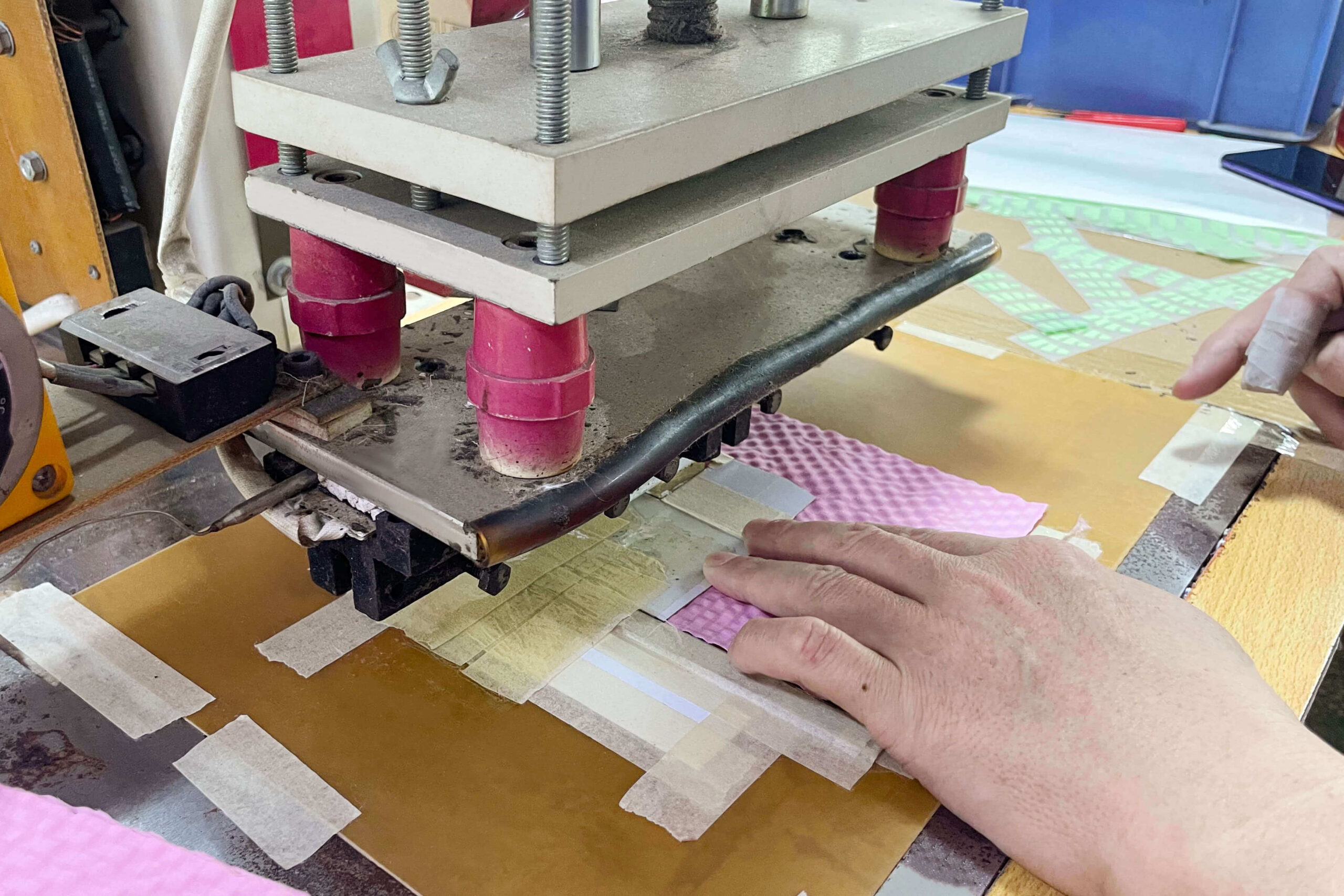
View hub →Existing Ecophay production photographs support discussions about how a product may be assembled and where the important decisions sit. Exact capabilities are confirmed against the selected design and material route.

The first enquiry does not need to pretend that every detail is final. It should make the commercial objective and the open product decisions visible.
Product types, SKU count, destination market, target quantity, timing and reference files.
Format, construction, materials, trims, branding and packaging requirements.
Use feedback to clarify specifications and confirm the development direction.
Confirm the approved specification, quantities, packing and delivery requirements.
No single material, certificate, timing or capacity statement should be applied to every accessory. These points are checked against the chosen product and supply route before they become part of a quotation or production decision.
Share the product types, number of SKUs, target quantity and the references already available.