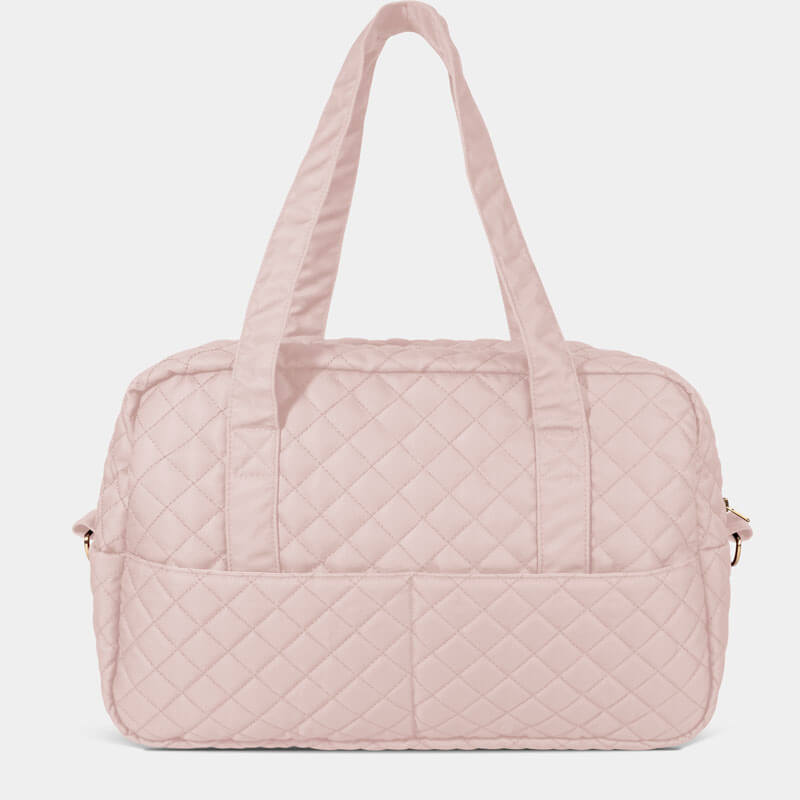
Gym bags
Duffle, tote and neoprene-led development for fitness, studio and active-lifestyle use.
View category page →
Develop gym, weekender, tote, backpack, crossbody and belt-bag formats around the load carried, access, body contact, carry duration and the travel or active-use moment.

Choose the carrying format first, then compare capacity, access and carry system across fitness, travel and everyday use.
Duffle, tote and neoprene-led development for fitness, studio and active-lifestyle use.
View category page →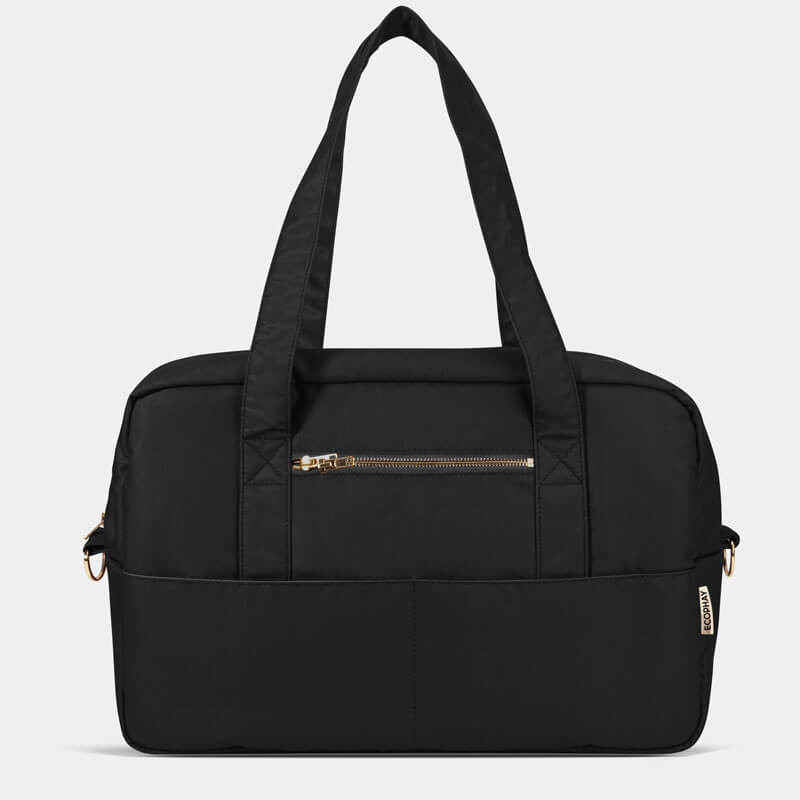
High-capacity hand and shoulder-carry formats for overnight, weekend, travel and equipment loads.
View development guide →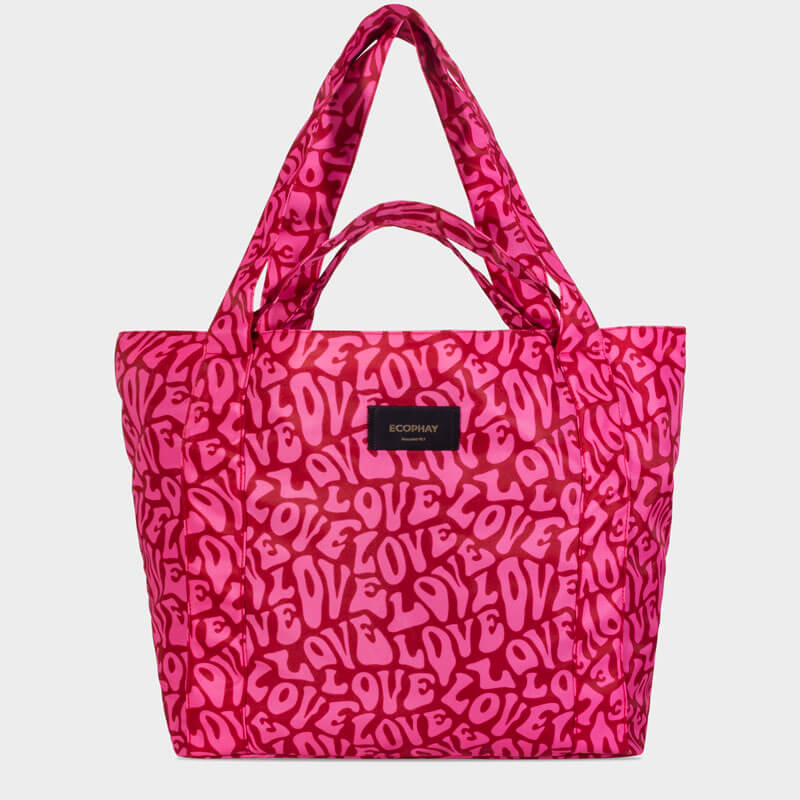
Upright shoulder-carry formats balancing fast access, closure security, handle drop and daily-to-travel use.
View development guide →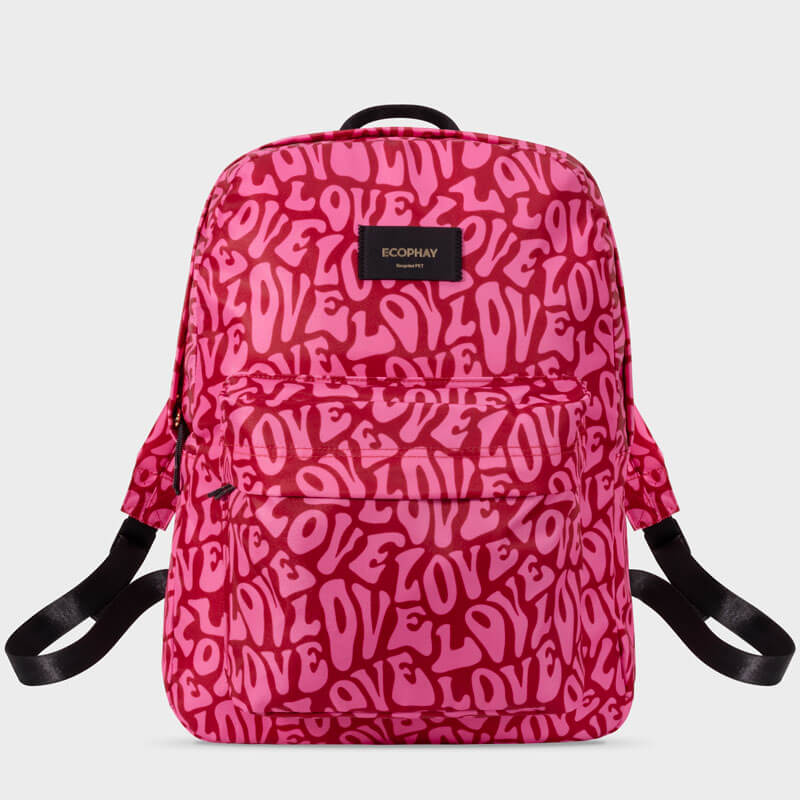
Two-shoulder carrying systems requiring back contact, strap fit, load distribution, device storage and access planning.
View development guide →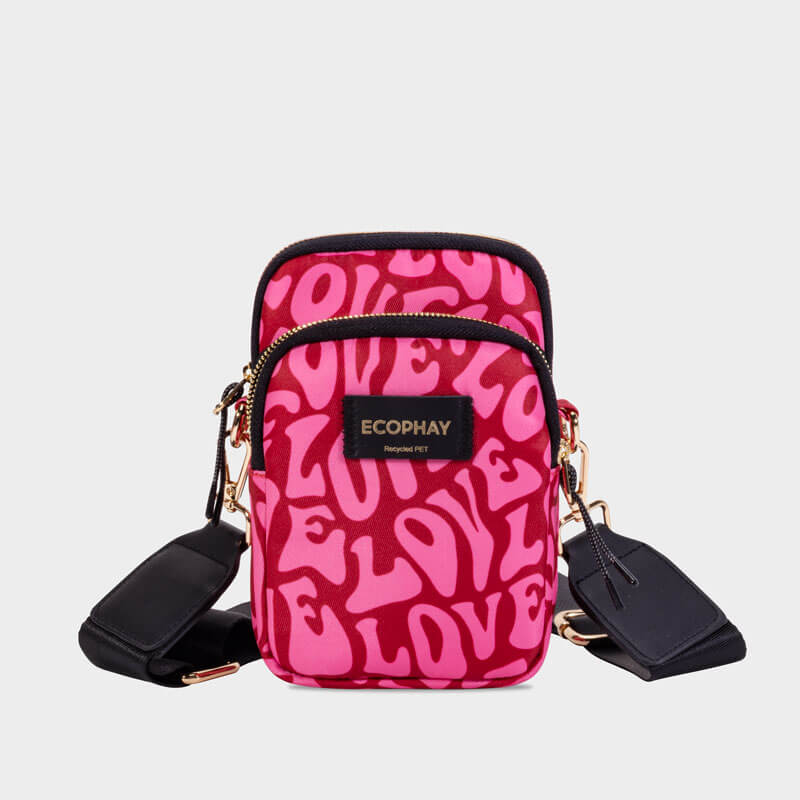
Hands-free formats defined by essentials carried, access frequency, strap range, body contact and closure security.
View development guide →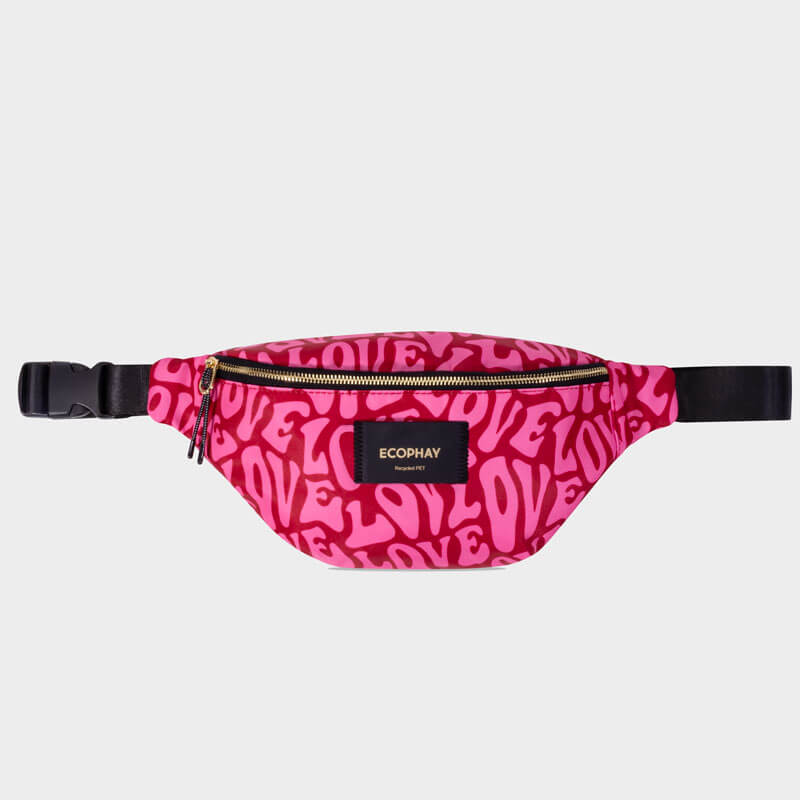
Compact body-worn formats requiring controlled capacity, stable strap adjustment and accessible pocket architecture.
View development guide →Start with load, access and body interaction. The correct construction route becomes clearer once these practical limits are known.
| Route | Representative load | Carry review | Critical approval |
|---|---|---|---|
| Duffle / gym | Clothing, shoes, towel, bottle, equipment or overnight items | Handle wrap, shoulder strap, attachment points and loaded balance | Opening, capacity, base and separated storage |
| Tote | Daily essentials, travel items, wellness or retail contents | Handle drop, shoulder comfort, standing shape and top security | Access, closure, internal support and loaded silhouette |
| Backpack | Device, documents, clothing and personal items | Back panel, strap range, load distribution and grab handle | Loaded comfort, device position and pocket access |
| Crossbody | Phone, wallet, passport and small essentials | Strap range, body position, quick access and movement | Body contact, zipper path and security |
| Belt bag | Compact essentials carried close to the body | Waist or crossbody adjustment, buckle and strap stability | Capacity boundary, pocket map and loaded stability |
The real photographs in this section are existing Ecophay product images spanning several travel-bag formats. Project review should cover category-specific construction, branding and packing views relevant to the buyer brief. All images are format references, not named customer case studies.
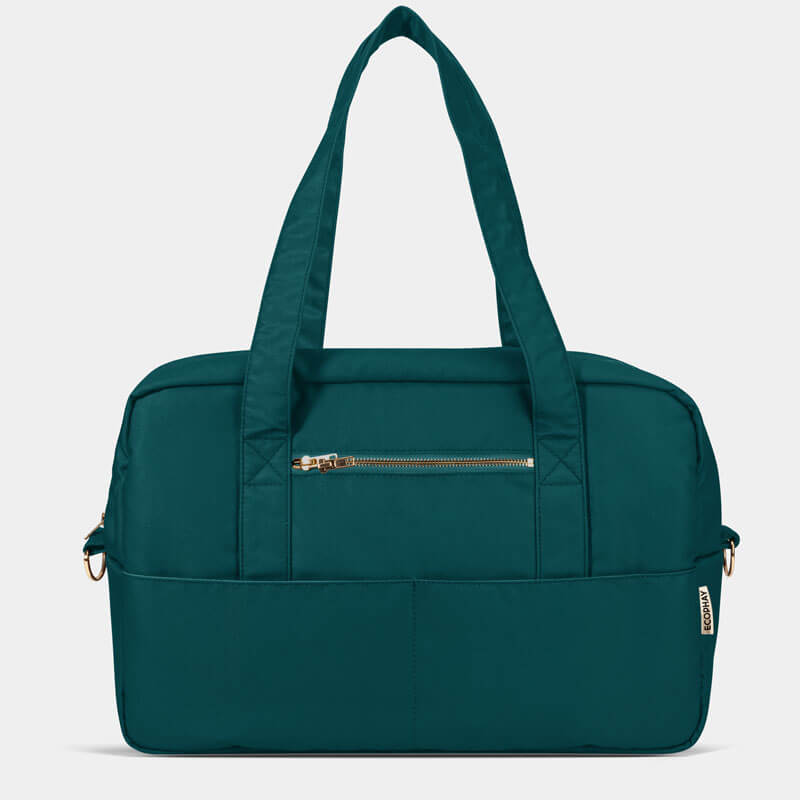
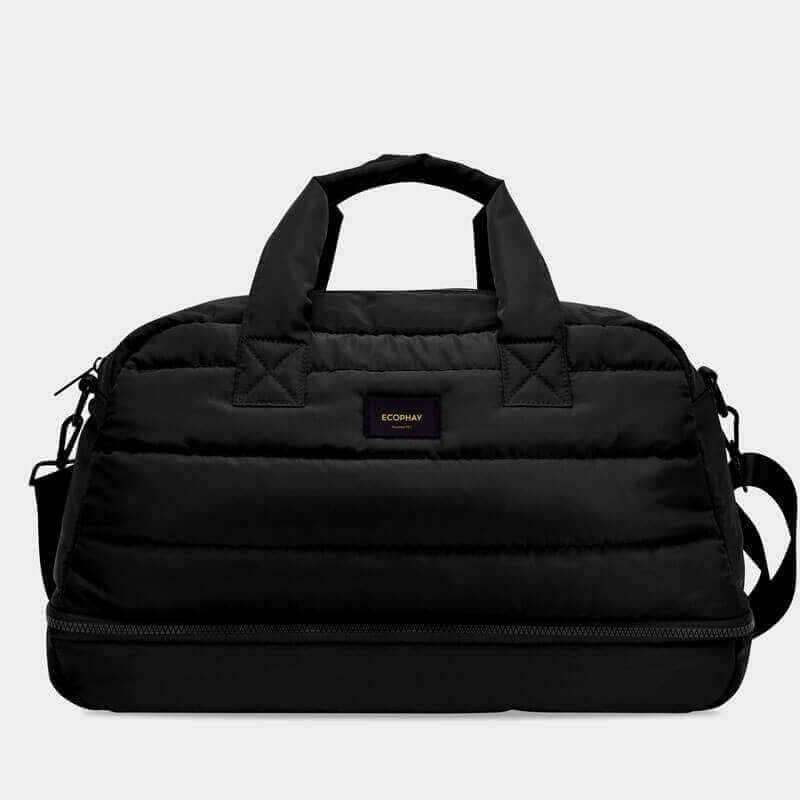
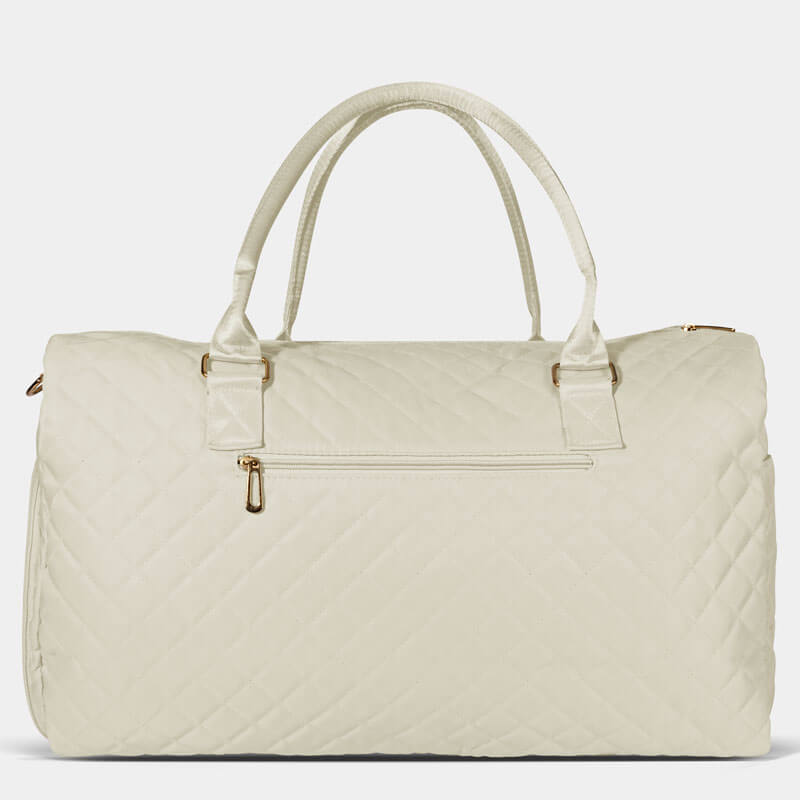

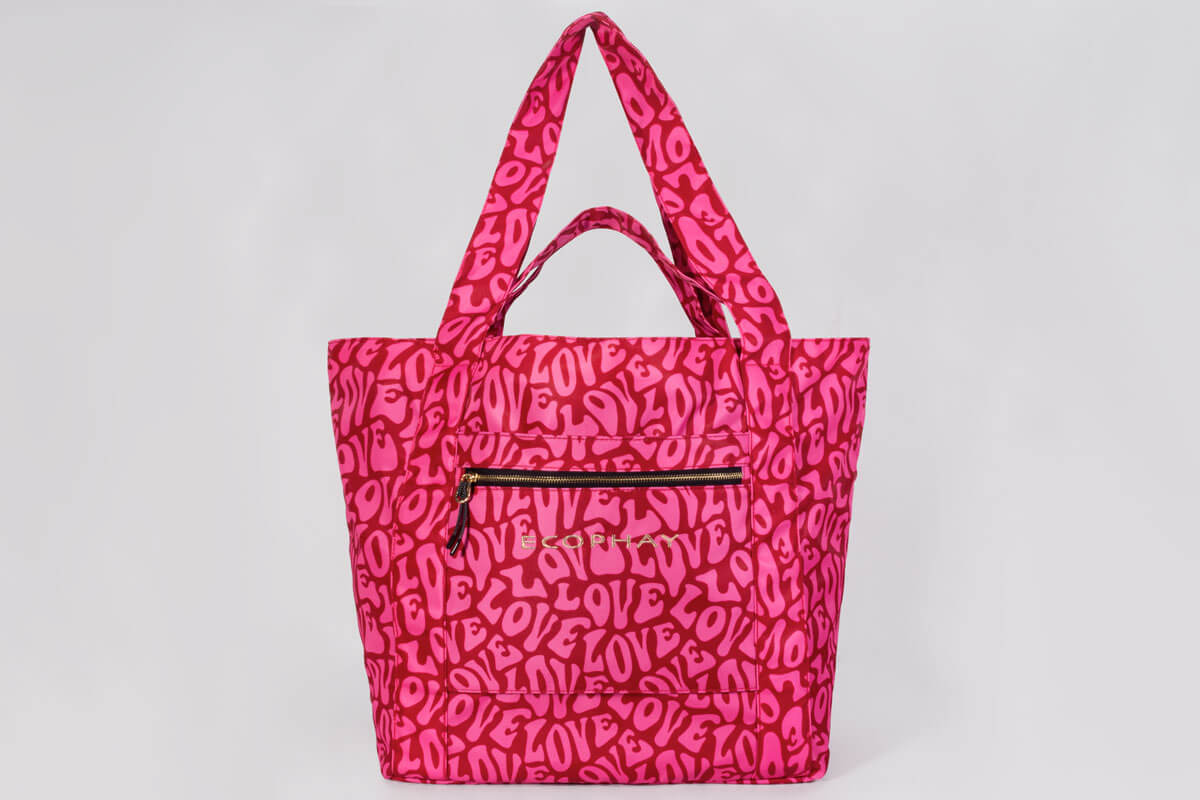


An empty sample can hide balance, opening and comfort problems. Use representative contents before approving proportions.
Clarify travel, workout, daily transfer, hands-free movement or retail use and list representative contents.
Align body construction, handles, straps, anchors, base support, closures and internal separation.
Check access, balance, standing shape, body contact, strap comfort and security with the intended load.
Approve each SKU’s dimensions, materials, branding, hardware, packing, quantity and delivery requirement.
The quickest route to a useful review is a brief that names what the bag carries and how it is used.
Gym, weekender, tote, backpack, crossbody or belt bag; explain the travel or active-use moment.
List representative contents, target dimensions or capacity and any size restrictions.
Define handles, shoulder or backpack straps, adjustment range, trolley use and expected carry duration.
Specify opening, security, shoe/wet area, device, bottle and quick-access pocket requirements.
Share outer, lining, colour, print, logo, hardware, labels and packaging direction.
Provide quantity by style and colour, destination, launch window and required delivery date.
These answers define the boundary between an initial route review and a finished production specification.
Gym bags sit within the Travel Bags Hub but have their own fitness and active-use dedicated category page because Ecophay receives repeated gym-bag inquiries with distinct buyer intent.
Yes. Keep the visual system coordinated while approving the load, pattern, reinforcement, carry system and internal organization of each SKU separately.
Yes, when the dimensions, access, separation, lining and loaded capacity are defined. The compartment changes pattern pieces and usable main-volume space.
Only against the buyer’s target airline, route or dimensional requirement. There is no single universal carry-on or under-seat size.
Send format, contents, dimensions, construction, materials, branding, packaging, quantity by style and colour, destination and delivery requirement.
Send the formats, representative loads, dimensions, carry requirements, quantity by style and colour, branding files and destination for review.
Start a Project