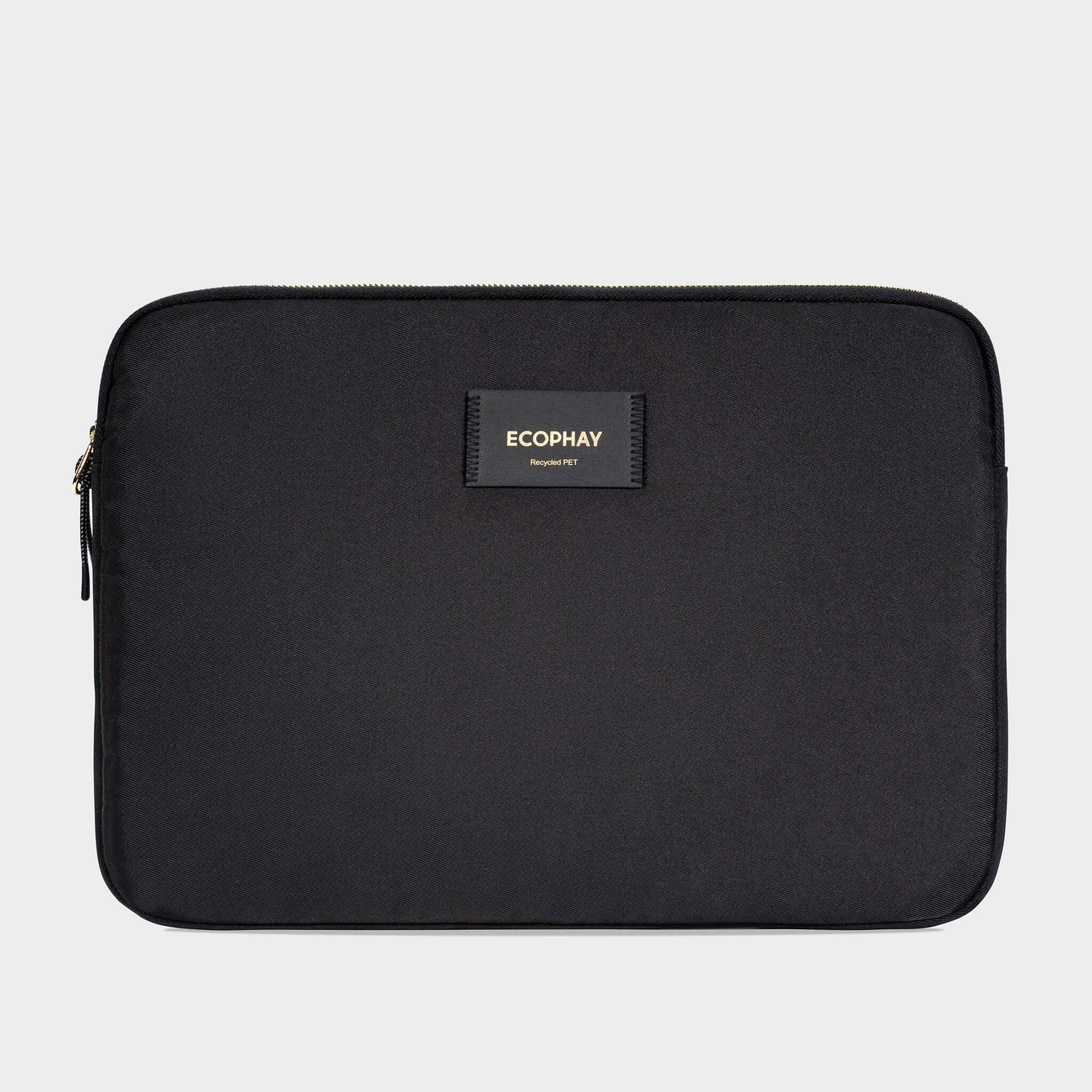
Laptop sleeves
Close-fit protective formats defined by device dimensions, case-on or case-off use, padding, opening and accessory storage.
View product page →
Develop laptop sleeves, tablet protection, work bags and cable organizers from exact device dimensions, real carry behavior and the level of protection the product brief actually requires.
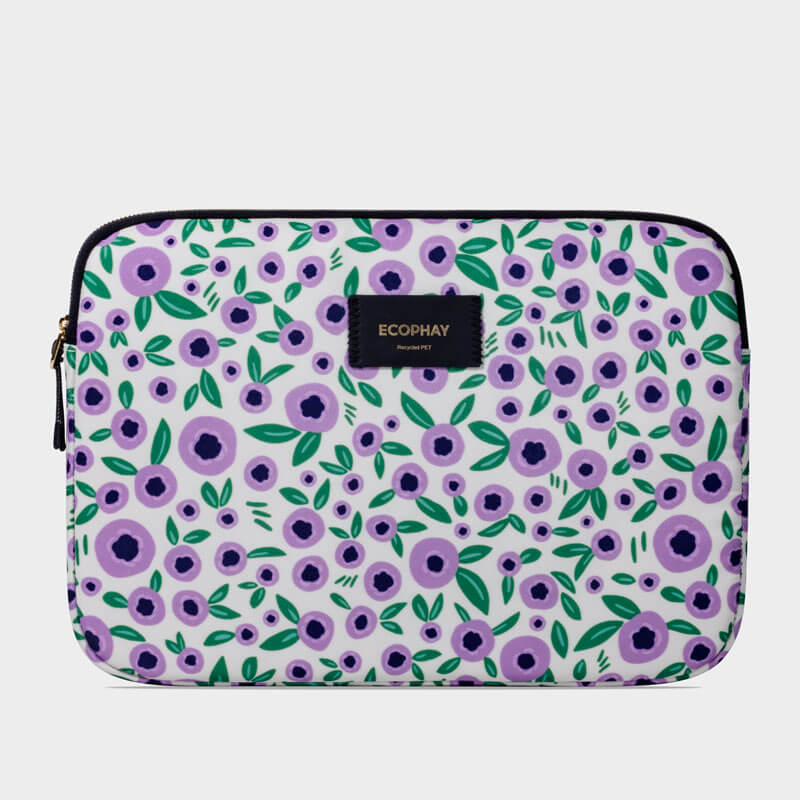
Choose by device, carry method and accessory load. The category sets the fit, padding, access and storage decisions that follow.
Close-fit protective formats defined by device dimensions, case-on or case-off use, padding, opening and accessory storage.
View product page →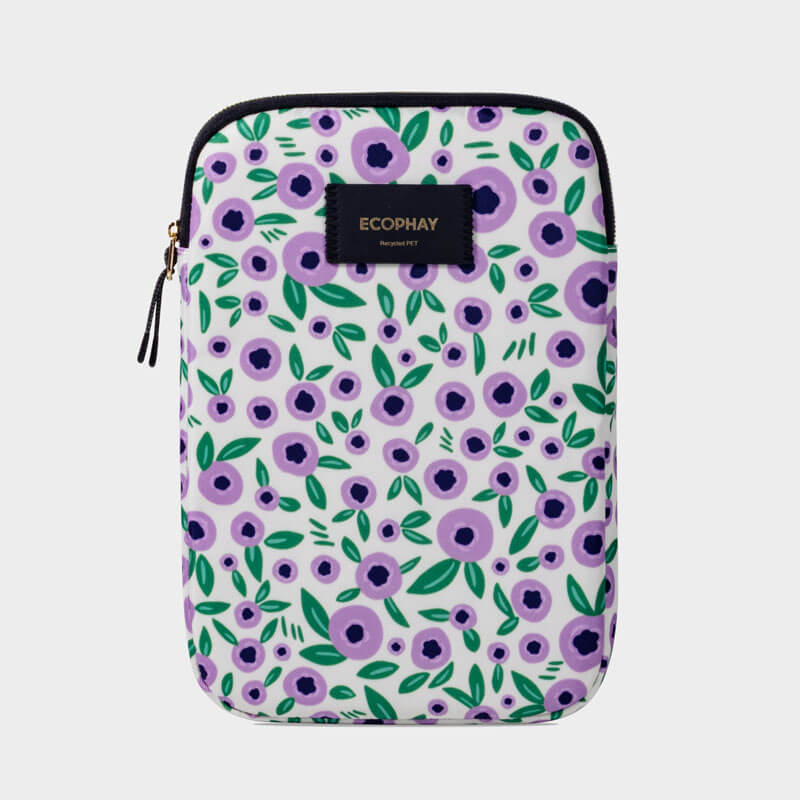
Tablet-specific fit planned around device generation, covers, stylus storage, charging access and insertion direction.
View product page →
Carrying formats that combine device protection with handles, shoulder carry, documents, chargers and daily work essentials.
View product page →
Small-item systems for cables, chargers, adapters, batteries and accessories using loops, pockets or adaptable open storage.
View product page →The word protective is not a specification. Buyers need to define fit, exposure and carry conditions before a sample can be assessed.
| Decision | Buyer input | Development tradeoff | Sample approval |
|---|---|---|---|
| Device fit | Exact width, height and thickness; model reference; case-on or case-off use | Too little allowance restricts access; too much allowance reduces fit control. | Insertion, removal and movement with the real device |
| Edge protection | Padding target, lining, corner and zipper-edge expectations | More padding affects bulk, sewing, opening clearance and hand feel. | Loaded edge and corner coverage |
| Opening | Top zip, wrap zip, flap or open sleeve; preferred insertion direction | Closure path changes access, scratch risk, pattern and component length. | One-handed access and zipper clearance |
| Accessory storage | Charger, cable, mouse, stylus, documents or adapters | Extra storage changes thickness, balance and whether a sleeve becomes a carrying bag. | Pocket capacity with representative items |
| Carry system | Hand carry, shoulder carry, inside another bag or trolley use | Handles and straps require anchoring, reinforcement and loaded balance review. | Comfort, attachment and loaded shape |
Existing Ecophay photography illustrates relevant sleeve formats and product views. Project review should also cover category-specific construction, branding and packing views; protection performance is not inferred from appearance alone.
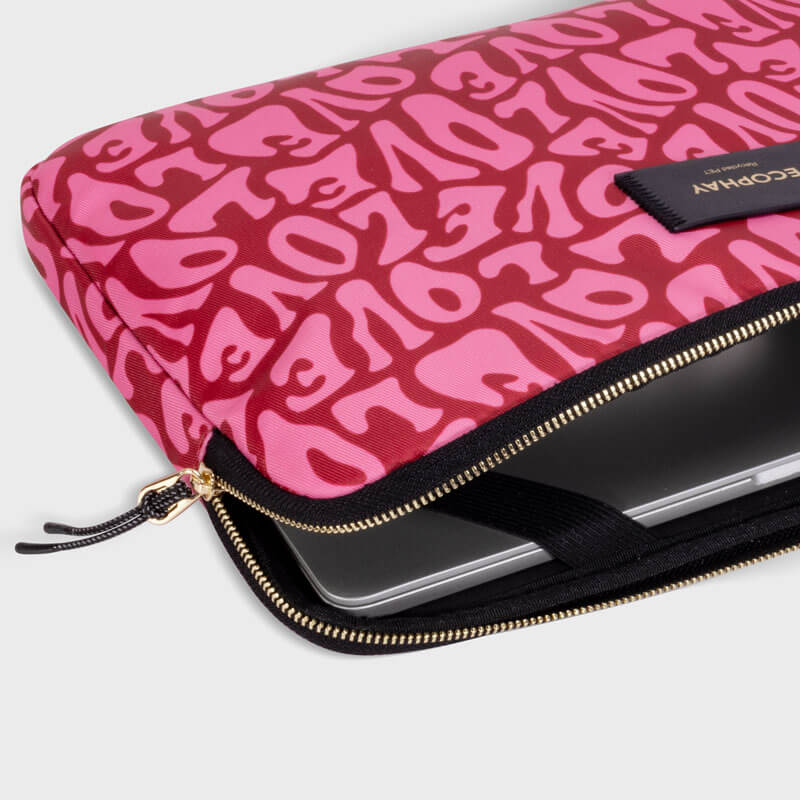
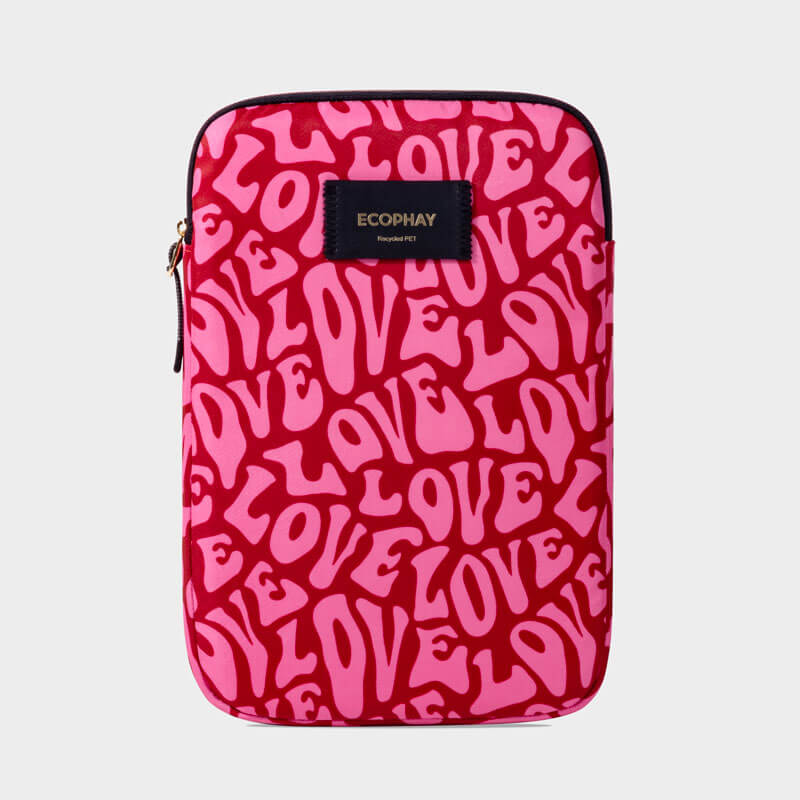
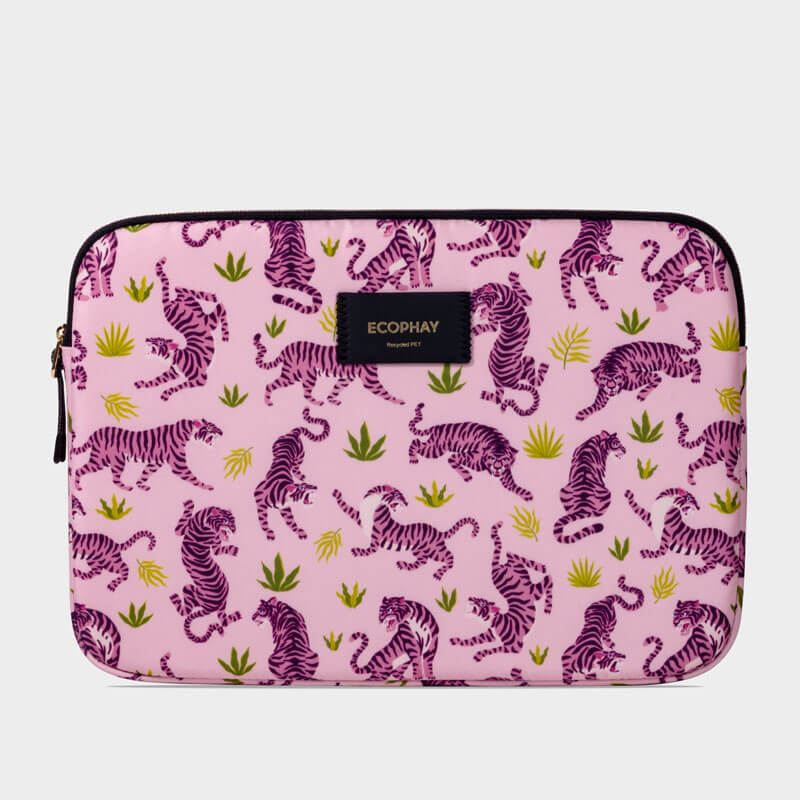
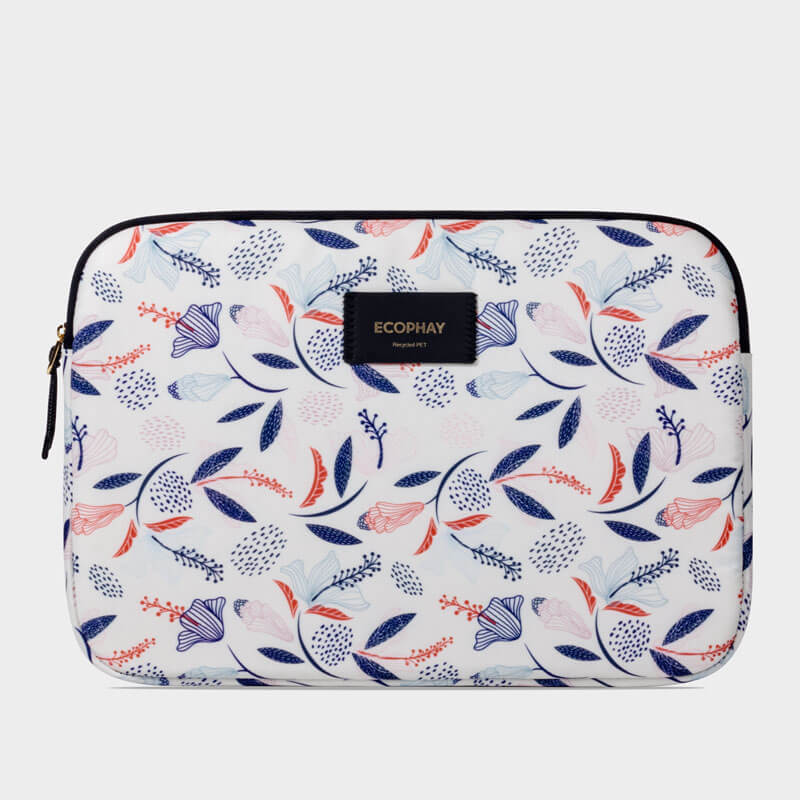
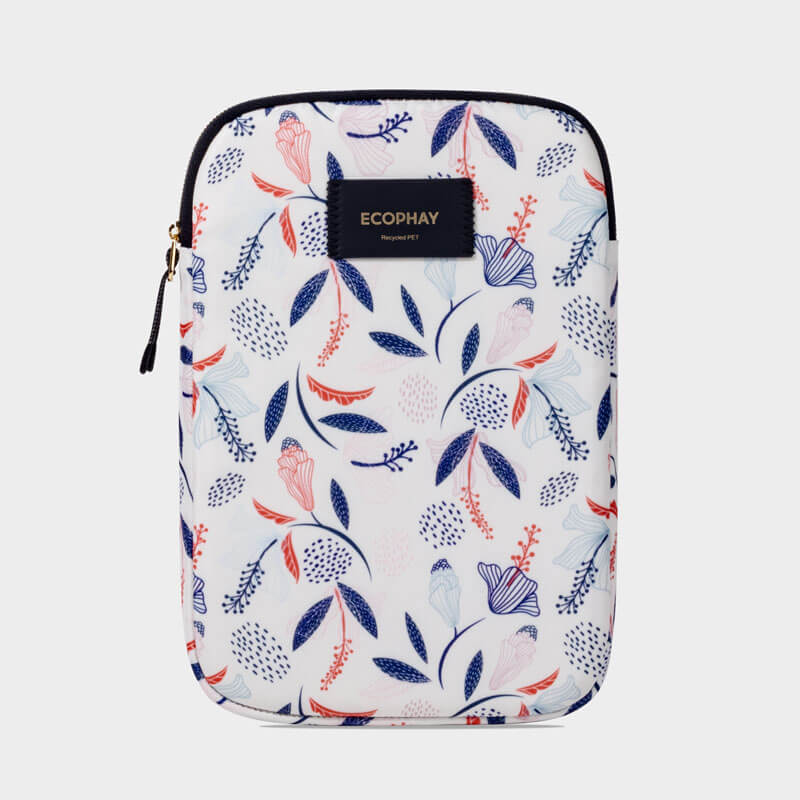
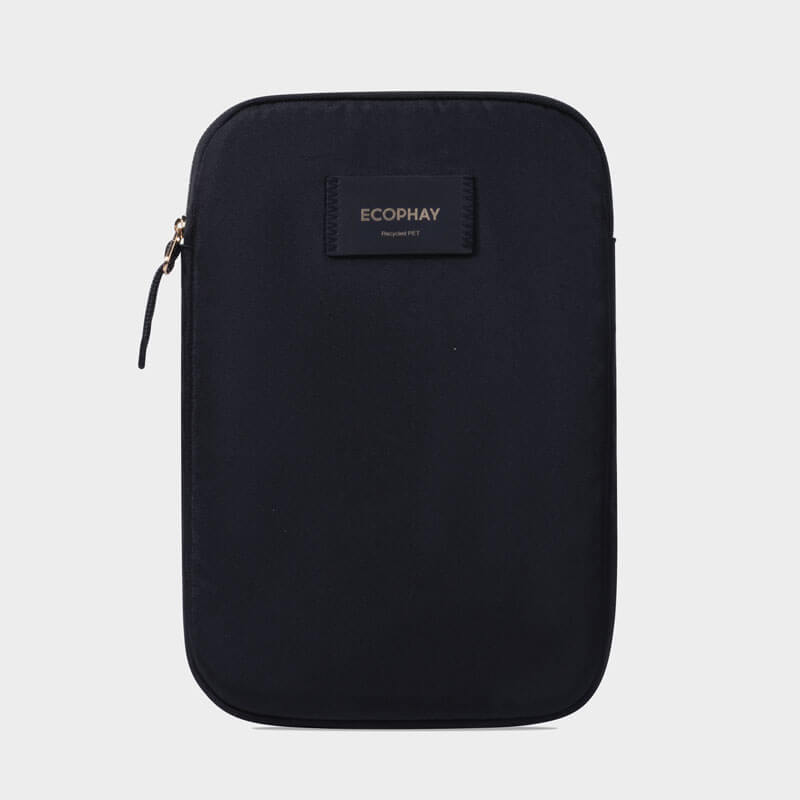
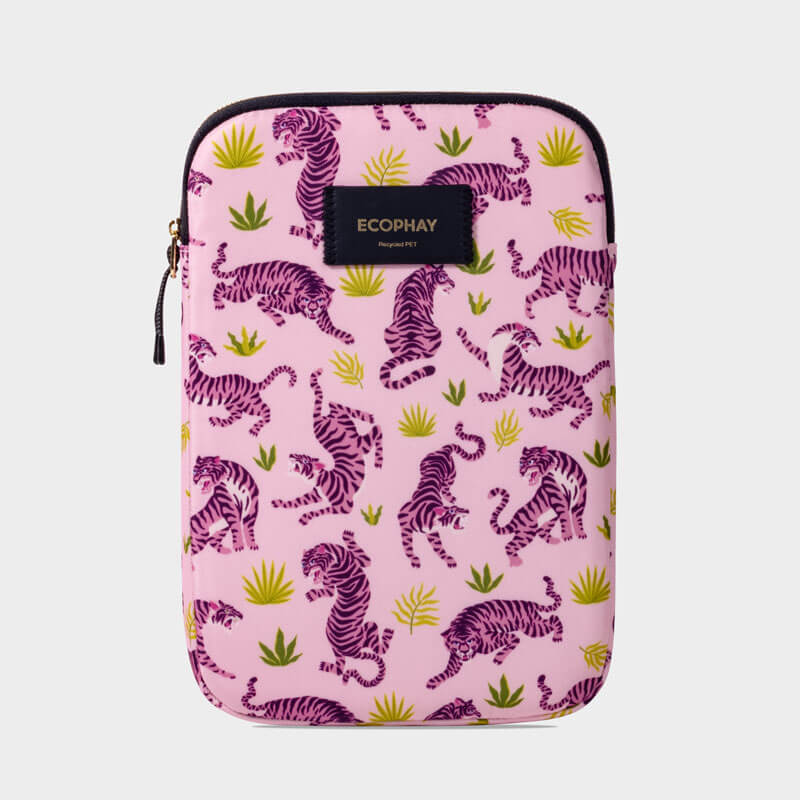

Use the intended device and accessories throughout sampling so the product is judged in its actual working state.
Confirm model, dimensions, case use, stylus or charger requirements and the user’s insertion direction.
Align outer material, padding, lining, edge construction, zipper protection and base behavior.
Check insertion, removal, movement, pocket loading, carry balance and pressure around the closure.
Approve each device size, colour, branding position, components, labels, packing and quantity split.
A single generic sleeve size rarely covers all devices responsibly. List each size and use case separately.
Model name plus exact width, height and thickness; state whether a hard case remains fitted.
Sleeve, tablet sleeve, laptop bag or organizer; define where and how it is carried.
Describe padding, lining, edge, closure and any scratch-contact concern without unsupported test claims.
List charger, cable, mouse, stylus, documents and other items with approximate dimensions.
Provide print, Pantone, logo artwork, labels, zipper pullers, hardware colour and packing.
Give quantity by size and colour, destination, target price where available and required delivery date.
These answers keep size, protection and evidence claims within the real specification.
Only when the dimensions and acceptable fit allowance are reviewed together. Model names alone are not enough because device dimensions and case use vary.
A protection claim requires a defined construction and an agreed test method with results. Appearance, padding thickness or an existing photo does not prove a drop-protection level.
It depends on the intended product route. Charger storage increases thickness and may press against the device, so pocket position and separation must be reviewed with real contents.
Yes. Keep the print, colour, trims and branding coordinated while approving each device size and internal fit separately.
Provide each device size, product route, construction requirements, materials, branding, packing and quantity by size and colour.
Send the device list, carry route, protection requirements, quantity by size and colour, branding files and delivery target for an initial review.
Start a Project