
Jewelry cases
Structured or soft cases planned around rings, earrings, necklaces and small items that require separation and controlled access.
View development guide →
Extend a brand into jewelry storage, eyewear cases, sleep accessories, wallets and small organizers by defining the contents, touchpoints, closure, internal structure and presentation of every format.
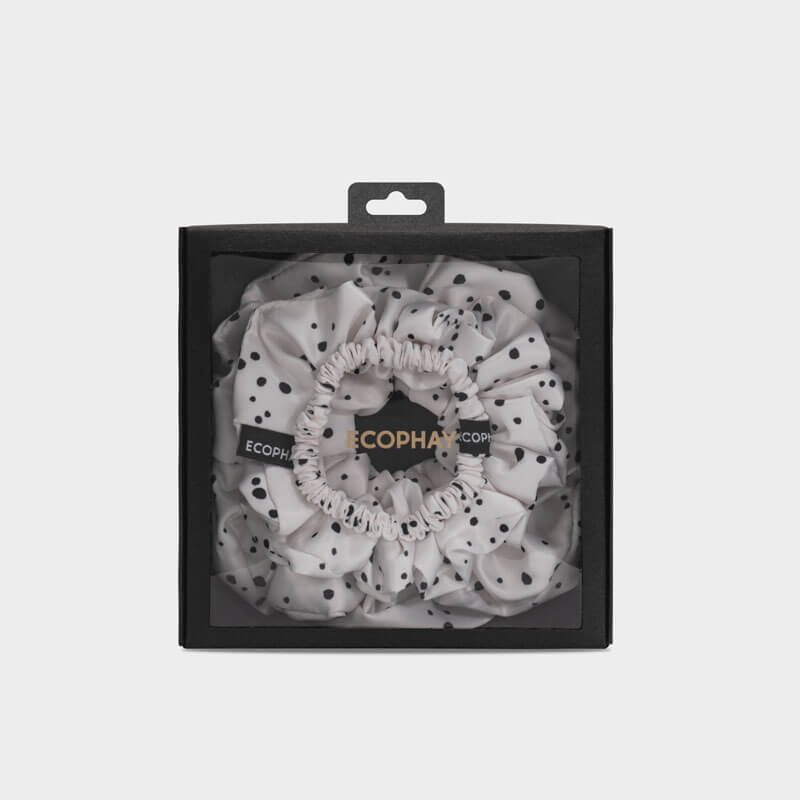
Choose by the object stored and the use context. Internal layout, contact surfaces, closure and presentation follow from that choice.
Structured or soft cases planned around rings, earrings, necklaces and small items that require separation and controlled access.
View development guide →
Compact travel formats balancing item separation, closure security, packability and fast retrieval.
View development guide →
Eyewear formats defined by frame dimensions, lens contact, structure, lining, closure and storage context.
View development guide →
Body-contact products requiring shape, coverage, strap adjustment, material hand feel, internal layers and packaging review.
View development guide →
Everyday storage for cards, currency, keys or personal items with pocket order, closure and repeated-access decisions.
View development guide →Existing textile and small-accessory photographs demonstrate relevant handling and presentation experience, but they do not prove completed jewelry-case, eyewear-case, sleep-mask or wallet production. Project review should cover the category-specific construction, branding and packing views relevant to the buyer brief.
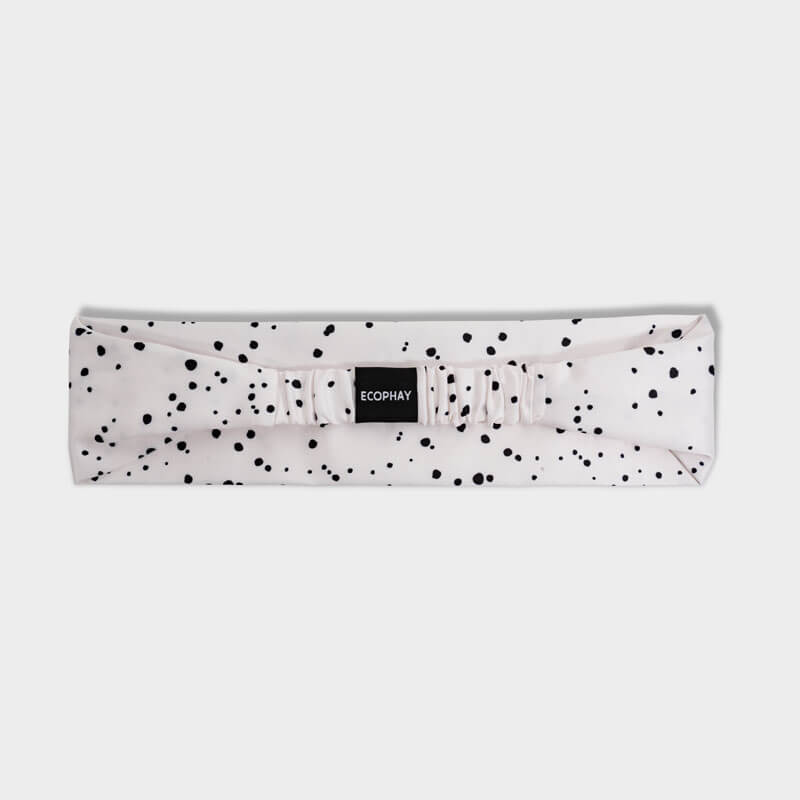
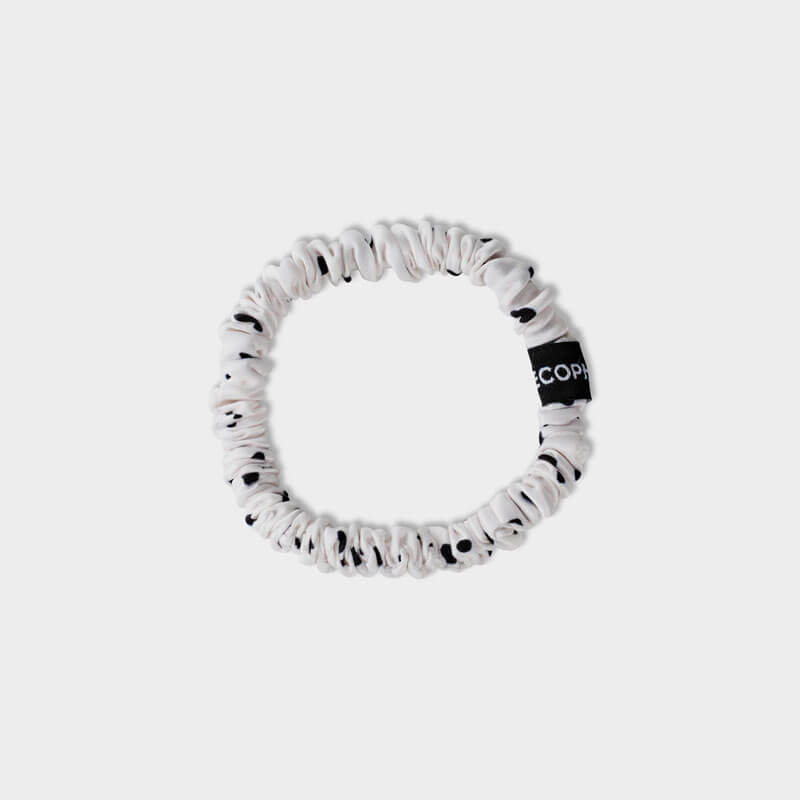
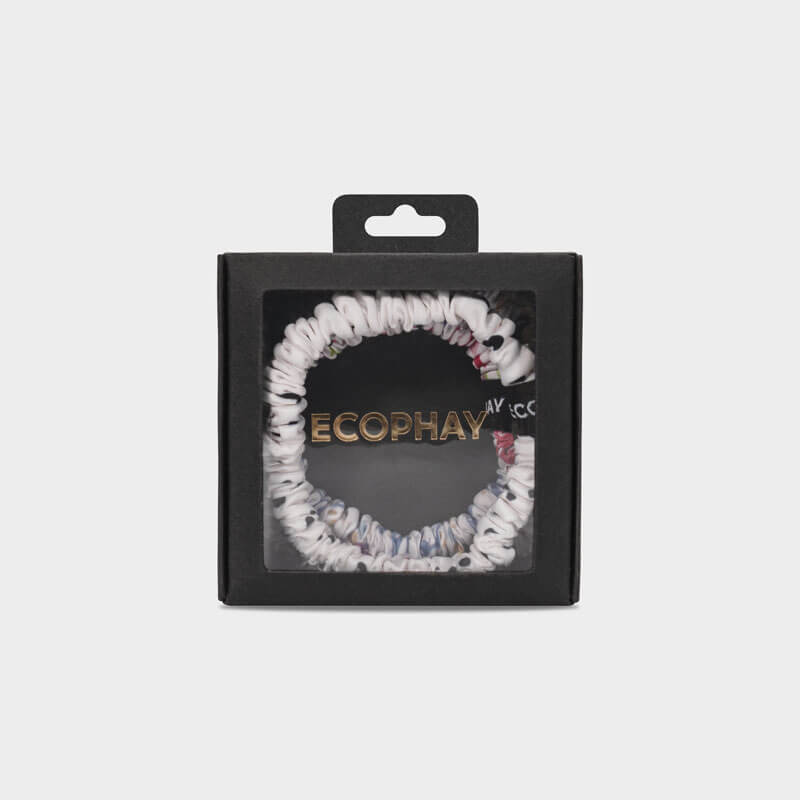
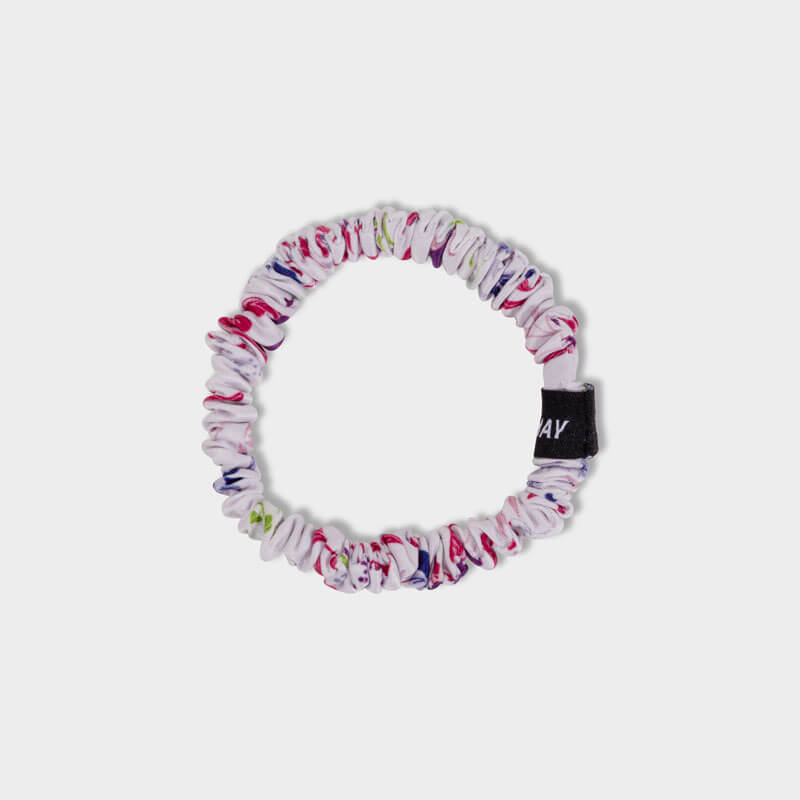


Compact products magnify fit, alignment and hand-feel issues. Confirm the object and contact surface before approving exterior proportions.
| Format question | Buyer input | Construction impact | Approval method |
|---|---|---|---|
| Object fit | Jewelry type, frame dimensions, cards, currency, keys or other contents | Controls internal dimensions, slots, pockets, cushioning and closure clearance. | Place real objects into the sample |
| Contact surface | Lens, jewelry finish, skin or everyday items | Changes lining, seam position, edge treatment and material review. | Inspect contact points during use |
| Closure | Zipper, snap, magnet, hinge, elastic or wrap | Affects access, component placement, pattern and durability review. | Operate repeatedly with contents loaded |
| Internal order | Ring roll, necklace tabs, card slots, pockets or open volume | Determines sewing sequence, thickness and usable capacity. | Follow the intended retrieval sequence |
| Presentation | Individual retail item, gift set or collection extension | Changes branding scale, colour system, labels and packaging. | Review product and packaging together |
Large mock-ups hide the alignment and handling issues buyers notice in a small finished product.
Record contents, critical dimensions, contact surfaces, access frequency and where the item is stored.
Plan lining, cushioning, separators, pockets, slots, closures and small components before exterior decoration.
Check fit, retrieval, closure, edge alignment, touchpoints, strap or elastic comfort and empty shape.
Confirm branding, labels, colour, gift-set relationship, packaging and quantity by SKU and colour.
The product may be compact, but the brief should not be vague.
Name the product, intended user, objects carried and actual dimensions of critical contents.
Share pocket, slot, separator, cushioning, lining and contact-surface requirements.
Specify zipper, snap, magnet, hinge, elastic, strap and metal-colour direction.
Provide outer and lining direction, hand feel, body-contact expectations and document scope.
Send logo, Pantone, print, labels, gift-set, retail card, box or pouch requirements.
Give quantity by SKU and colour, destination, price target where available and delivery date.
These answers protect buyers from assuming that a generic small pouch proves every compact category.
The formats can share a brand system, but each requires its own contents, construction, material, component and sample approval.
The current Ecophay public library does not contain verified images for those exact categories. Placeholders are used instead of unrelated or invented product evidence.
No. They show existing small-format textile and body-contact accessory work only. A sleep mask remains a separate development route until verified product evidence is available.
A reference can support the review, but final dimensions, materials, components, artwork, branding and packing still need to be specified and approved.
Provide the exact format, contents, dimensions, construction, materials, components, branding, packaging, quantity by SKU and colour, destination and timing.
Send the formats, real contents, dimensions, internal requirements, branding files, quantity by SKU and colour, retail presentation and delivery target.
Start a Project